
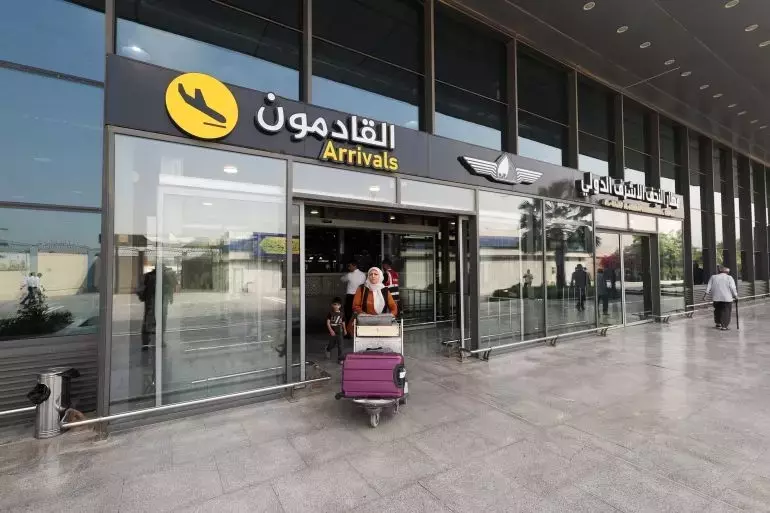
Iraq is actively engaging in direct negotiations with the United States, aiming to secure exemptions for several of its airports from American restrictions impacting flights connected to Iranian airlines within the region. This diplomatic effort comes in the wake of recent US aviation sanctions, which prompted four Iraqi airports to halt all air travel to and from Iran. Baghdad underscores the critical need for these exemptions, citing humanitarian concerns, educational exchanges, and religious pilgrimages that rely heavily on air connectivity between the two nations.
On Friday, in response to new US aviation sanctions that penalize global entities conducting business with Iranian air carriers, a quartet of Iraqi airports ceased all flights to and from Iran. This swift action created significant disruptions, compelling numerous passengers to seek arduous land routes, often spanning over 12 hours, to traverse the border between the two neighboring countries. The sudden cessation of flights has particularly affected pilgrims and students, highlighting the profound impact of these geopolitical tensions on everyday life and cultural exchange.
The office of the Iraqi Prime Minister, Ali al-Zaidi, released a statement on Saturday, affirming that Baghdad is actively pursuing exemptions from Washington. The aim is to reinstate air services, especially for reasons pertaining to medical care, academic pursuits, and religious journeys, acknowledging the substantial civilian interests involved. The statement further emphasized Iraq's commitment to fostering regional de-escalation, cautioning that persistent crises would only exacerbate the already complex situation. It called upon all relevant parties to prioritize dialogue and negotiation as means to resolve current conflicts, aligning with the broader interests of the region's diverse populations.
The suspension of flights at key Iraqi airports, including Baghdad, Najaf, Erbil, and Sulaimaniyah, has forced travelers to undertake lengthy land journeys, a significant inconvenience given the deep-seated cultural and religious connections between Iraq and Iran. Both nations share a predominantly Shia Muslim population, with Najaf being a critical hub for Shia pilgrims traveling to Iran's holy cities, and vice versa. This disruption not only affects direct travel but also impedes the flow of cultural and religious exchanges that have long defined the relationship between these two closely aligned countries.
Adding to the diplomatic pressure, protests erupted in Baghdad on Saturday, organized by Iraqi militias aligned with Iran, vehemently opposing the flight suspensions. Concurrently, scholars and students from the revered Hawza of Najaf, a globally influential Shia seminary, staged a vigil against the flight halt. A statement from the seminary's Scholarly Assembly condemned the disruption, emphasizing the critical need for strengthening fraternal bonds in the region and urging the Iraqi government to uphold its sovereign decision-making independence.
Amidst these developments, Iraq’s ambassador to Tehran, Yasser al-Hajjaj, sought to reassure the public, stating that the flight suspension is merely a temporary measure and will not undermine the enduring relationship between the two countries. He confirmed ongoing communications with Iranian officials to swiftly normalize air traffic, underscoring that the ties between Iraq and Iran are too profound to be swayed by a fleeting crisis. This sentiment is reinforced by the presence of approximately 100,000 Iraqi students in Iran, a substantial Iraqi expatriate community, and thousands of daily border crossings, all indicative of the deep interconnectedness. Mohammad Kazem al-Sadegh, the Iranian ambassador to Iraq, echoed this optimism, suggesting that a new resolution regarding flights is anticipated soon.
The current situation highlights Iraq's precarious position, caught between its alliances with both the United States and Iran. As Al Jazeera's Jack Hewson reported from Baghdad, this dual allegiance frequently places Iraq in a challenging bind. Perspectives vary, with some attributing blame to Iran for what they perceive as excessive control over Iraq, while others fault the US and Israel for initiating the underlying conflicts. Regardless of the viewpoint, Iraq continues to navigate a delicate geopolitical landscape, facing ongoing economic repercussions and broader regional instability.
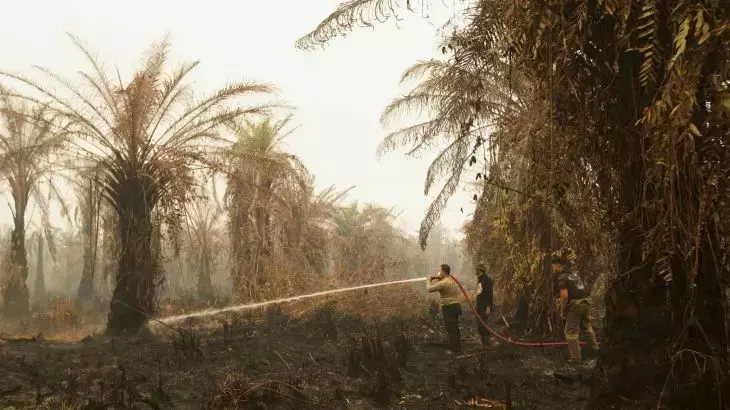
Indonesia Grapples with Severe Forest Fires and Haze Crisis
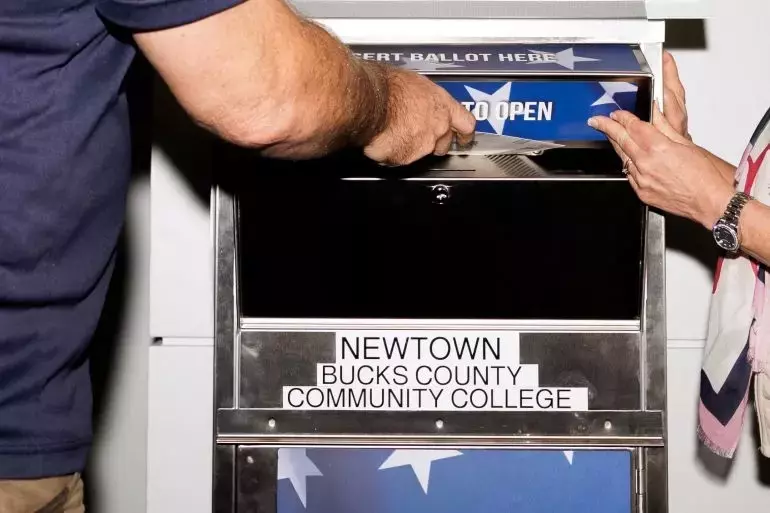
The Decisive Role of Independent Voters in US Midterm Elections

A United Sudan: Saudi Arabia's Geopolitical Imperative

West Ham Addresses Fan Chant Controversy

US Open: Alcaraz Triumphs on Return, Sabalenka Dominates

VAR Officials Omitted from Premier League Matches After Controversial Derby Decision

Atletico Madrid Secures Derby Victory Over 10-Man Real Madrid

Manchester United Aims for Redemption Against Ipswich After Opening Day Defeat

Spanish Unions Announce General Strike Over Housing Crisis Ahead of Snap Election

Apple Maps Renames Lake Ontario to 'Lake America' Following Trump's Directive

The Las Vegas Buffet Experience: A Culinary Reflection of Self

Cyclospora Outbreak: A Growing Public Health Concern

US Braces for Record-Breaking Heatwave Ahead of Holiday Weekend
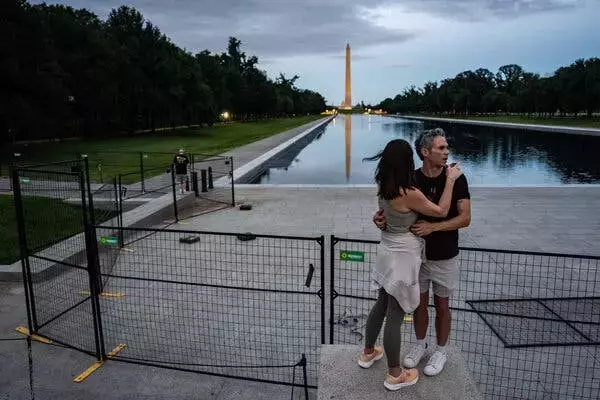
Lincoln Memorial Reflecting Pool Restored After Extensive Renovation

A Mother's Anguish: The Tragic Loss in Venezuela's Earthquake

Ceuta Declares Emergency Over Migrant Influx

Santa's ASL Connection: Aurora's Deaf Kids' Wish Fulfillment
On a cold Dec night, St. Marks Lutheran Church in Aurora was warm with Santa and excited kids. Santa
Top 10 Lana Del Rey Songs: From Video Games To Heroin And West Coast
Lana Del Rey's debut song "Video Games" in 2011 launched her into fame, showcasing her unique blend
Tragic Pedestrian Accident in Davenport Leaves Elderly Woman Critically Injured
In Davenport, Iowa, a 68-year-old pedestrian was seriously injured after being struck by an SUV on N
Indiana Parking Garage Incident: Car Drives Off Top Deck
On Monday morning, a car drove off the top deck of a parking garage in Indiana. It occurred at Bally

