

Colombia's political stage is currently dominated by a contentious presidential election, featuring Abelardo De La Espriella, a candidate who projects a fiercely masculine image. Dubbed "The Tiger," De La Espriella's campaign, which has received endorsement from figures like Donald Trump, champions a brand of leadership he describes as embodying "male grit." This approach, characterized by calls to dismantle what he terms "the left" and a focus on traditional male values, has sparked considerable debate within Colombian society. His platform, which includes promises to counter "gender ideology" and implement austerity measures, aligns with broader trends observed in right-wing populist movements throughout Latin America. Critics, including women's rights advocates, argue that these policies, while not directly attacking women's rights, could significantly undermine agencies and services vital for women and girls.
As the June 21 runoff election approaches, polls suggest De La Espriella is leading, compelling observers to question whether a nation that has made significant strides in gender equality is now prepared to embrace a leader who openly espouses a defiantly macho stance. This election serves as a crucial test for the future of progressive policies in Colombia and highlights the ongoing struggle between traditional and modern values in the region's political discourse. The outcomes of this election could have far-reaching implications for women's empowerment and the direction of social policies in Colombia and potentially influence other Latin American nations grappling with similar political shifts.
The current political climate in Colombia is heavily influenced by the presidential candidacy of Abelardo De La Espriella, an individual who has cultivated a public image steeped in aggressive masculinity. Referring to himself as "The Tiger," De La Espriella's campaign strategy is notably characterized by his promotion of a forceful leadership style, which he explicitly links to traditional male strength. His rhetoric includes strong declarations against left-wing ideologies and an emphasis on what he perceives as essential male attributes for national governance. This masculine-centric approach has garnered significant attention, not only for its audacious nature but also for its broader implications regarding gender roles and political leadership.
De La Espriella's campaign gained further prominence following an endorsement from former President Donald Trump, signaling an alignment with global right-wing populist trends. His proposals, such as vows to "disembowel the left" and critiques of "gender ideology," resonate with a segment of the electorate that feels alienated by progressive social changes. This includes a commitment to fiscal austerity, which, as critics point out, often translates into cuts to social programs, disproportionately affecting services for women and girls. Such policies, while framed in economic terms, have clear social ramifications that concern human rights organizations. The controversy surrounding his candidacy, including accusations and his denials regarding personal image, underscores the highly polarized and impassioned nature of the ongoing electoral contest in Colombia.
Abelardo De La Espriella's rise in Colombian politics poses critical questions about the future of women's rights, particularly in a country that has historically championed progressive gender policies. His campaign's overt emphasis on traditional masculine values and his dismissive stance on "gender ideology" challenge the advancements made in gender equality. Women's rights organizations across Latin America are closely monitoring the Colombian election, viewing it as a bellwether for the region. These groups express concern that the populist wave, exemplified by candidates like De La Espriella, often employs rhetoric that, while not directly attacking women's rights, implicitly threatens their institutional support and funding. Such political narratives, they argue, contribute to an environment where policies benefiting women can be easily dismantled under the guise of broader economic or ideological reforms.
The pattern observed in Colombia mirrors a wider phenomenon across Latin America, where right-wing populist leaders are increasingly winning elections by adopting similar strategies. According to Catalina Calderón of the Women's Equality Center, these campaigns often promise to eliminate "gender ideology" and implement austerity measures, which inadvertently or intentionally lead to the defunding of women's agencies and essential services. This indirect yet potent form of rollback on women's rights is a significant concern, as it can subtly erode the foundations of gender equality without explicit legislative attacks. The Colombian election, therefore, is not just a national event but a regional indicator, highlighting the vulnerability of progressive social gains in the face of shifting political landscapes and the strategic maneuvers of populist movements.

Indonesia Grapples with Severe Forest Fires and Haze Crisis
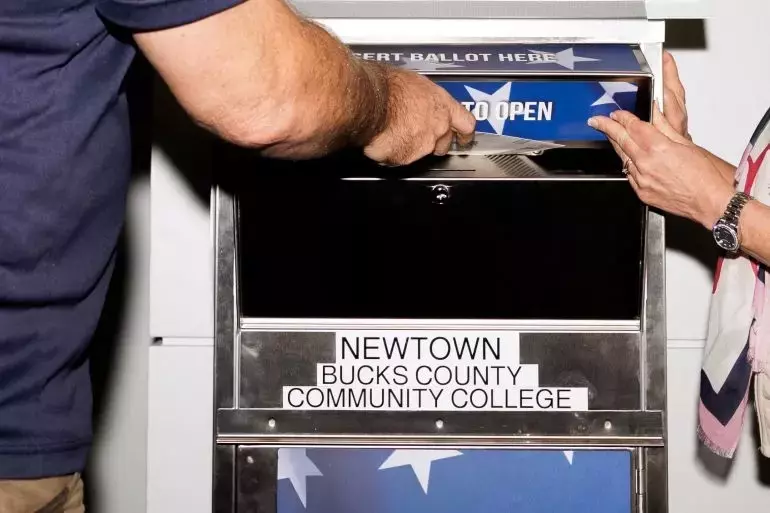
The Decisive Role of Independent Voters in US Midterm Elections

A United Sudan: Saudi Arabia's Geopolitical Imperative

West Ham Addresses Fan Chant Controversy

US Open: Alcaraz Triumphs on Return, Sabalenka Dominates

VAR Officials Omitted from Premier League Matches After Controversial Derby Decision

Atletico Madrid Secures Derby Victory Over 10-Man Real Madrid

Manchester United Aims for Redemption Against Ipswich After Opening Day Defeat

Spanish Unions Announce General Strike Over Housing Crisis Ahead of Snap Election

Apple Maps Renames Lake Ontario to 'Lake America' Following Trump's Directive

The Las Vegas Buffet Experience: A Culinary Reflection of Self

Cyclospora Outbreak: A Growing Public Health Concern

US Braces for Record-Breaking Heatwave Ahead of Holiday Weekend

Lincoln Memorial Reflecting Pool Restored After Extensive Renovation

A Mother's Anguish: The Tragic Loss in Venezuela's Earthquake

Ceuta Declares Emergency Over Migrant Influx

Santa's ASL Connection: Aurora's Deaf Kids' Wish Fulfillment
On a cold Dec night, St. Marks Lutheran Church in Aurora was warm with Santa and excited kids. Santa
Top 10 Lana Del Rey Songs: From Video Games To Heroin And West Coast
Lana Del Rey's debut song "Video Games" in 2011 launched her into fame, showcasing her unique blend
Tragic Pedestrian Accident in Davenport Leaves Elderly Woman Critically Injured
In Davenport, Iowa, a 68-year-old pedestrian was seriously injured after being struck by an SUV on N
Indiana Parking Garage Incident: Car Drives Off Top Deck
On Monday morning, a car drove off the top deck of a parking garage in Indiana. It occurred at Bally

